
At a glanceA jewelry store is a retail space dedicated to selling a variety of adornments, including necklaces, bracelets, rings, and earrings. These shops offer a curated selection of pieces, from simple everyday items to intricate, one-of-a-kind designs, often accompanied by expert advice to help customers find the perfect gift or treat for themselves.
Key Takeaways
- The location and ambiance of a jewelry store significantly impact customer experience and sales.
- Unique, high-quality designs can set a store apart and attract a loyal customer base.
- Offering personalized services, such as custom designs and engraving, increases customer satisfaction and spending.
- Efficient inventory management and online presence are crucial for reaching a broader audience and boosting sales.
- Training staff to provide expert advice and build relationships enhances customer trust and repeat business.
- Leveraging social media and online marketing effectively can drive foot traffic and increase brand awareness.
In the realm of personal expression and enduring valor, jewelry stores stand as beacons, offering a sanctuary for timeless pieces that transcend fleeting trends. These establishments play a pivotal role in shaping individual style and preserving sentimental memories. However, the landscape of jewelry retail is evolving, presenting challenges such as an increasingly competitive market, shifting consumer preferences, and the need to foster meaningful connections. This article delves into the intricacies of modern jewelry store operations, exploring innovative strategies and best practices to thrive in an ever-changing industry, ultimately enhancing the customer experience and securing a place in the dynamic world of jewelry retail.
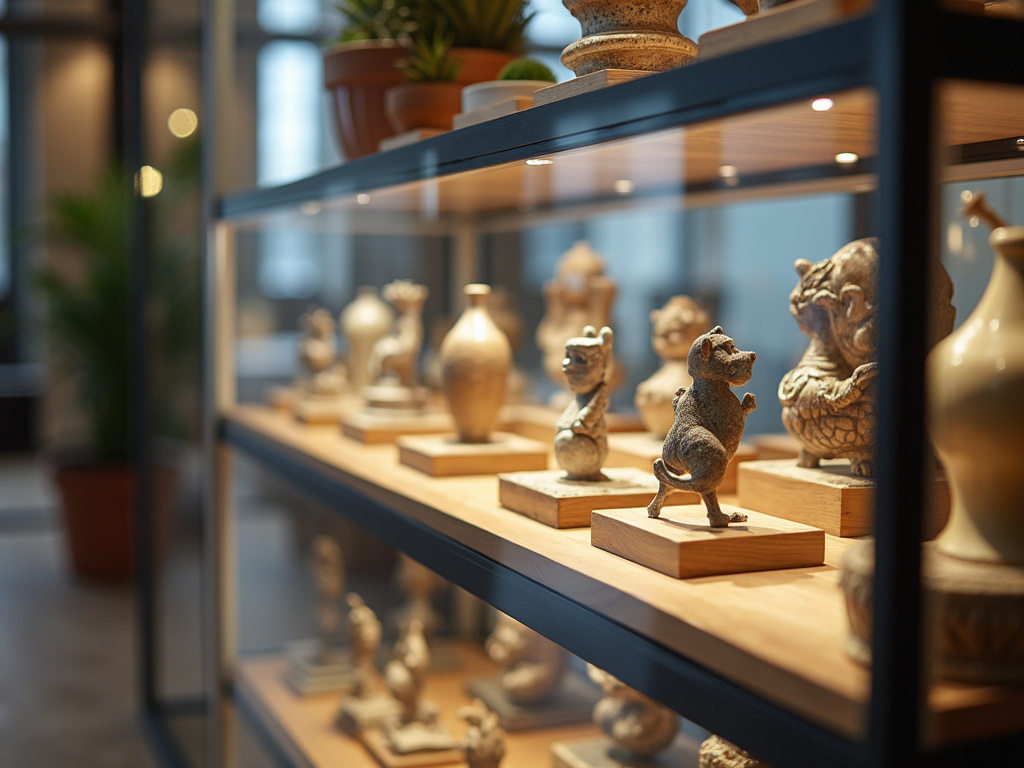
Jewelry Store in Hoboken: Where to Start
Looking for jewelry store in Hoboken, NJ? jewelry stores serves the local area and can answer questions specific to Hoboken.
Establishing Your Jewelry Store: Location, Licensing, and Legal Considerations
When establishing your jewelry store, the location, licensing, and legal considerations are paramount. The right spot can attract your target clientele, while proper licensing ensures your business operates within legal boundaries. In Hoboken, for instance, the process involves obtaining a business license and understanding local ordinances that may impact your store’s setup. This step is crucial, as it determines your store’s visibility and accessibility.
Choosing a location for your jewelry store involves careful consideration. Foot traffic, proximity to complementary businesses, and the demographics of your target market are key factors. For example, a busy shopping district with a mix of age groups and a strong local economy could be ideal. Researching market trends and understanding your target customers’ habits will help guide your decision. Once you’ve selected a location, expect the process to involve lease negotiations, interior design, and obtaining any necessary permits.
The legal aspects of operating a jewelry store in Hoboken cannot be overstated. You’ll need to register your business, obtain sales tax permits, and comply with state and federal regulations regarding jewelry sales and returns. Additionally, insurance is essential to protect your inventory and business against potential losses. What to expect from the process includes initial consultations with legal professionals, document preparation, and ongoing compliance checks. By navigating these steps thoughtfully, you’ll be well on your way to establishing a successful and legally sound jewelry store.
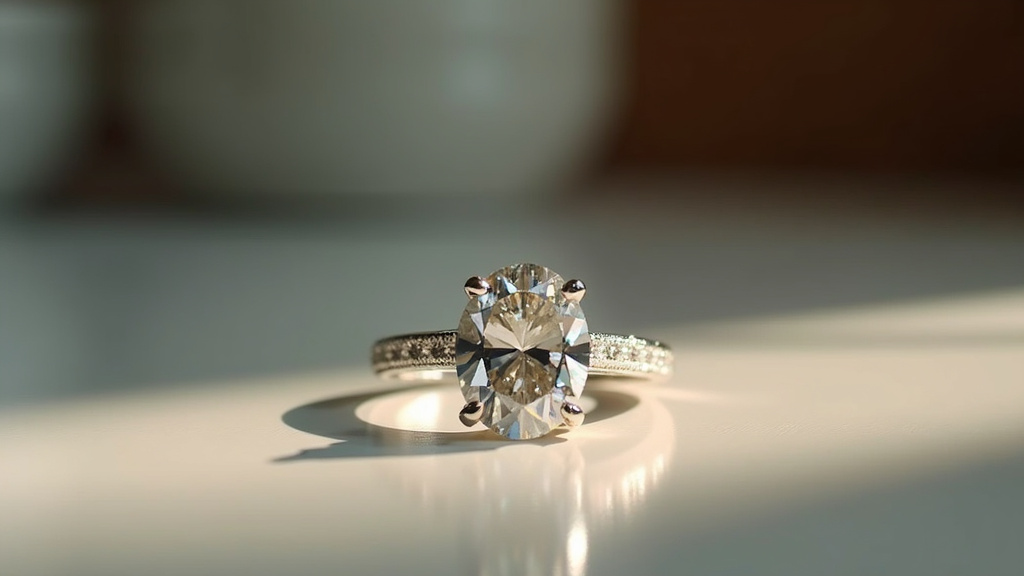
| Factor | What to know |
|---|---|
| Location & Licensing | Choose high-traffic spot, get business license, follow local ordinances |
| Legal Compliance | Register business, obtain sales tax permits, secure insurance coverage |
| Sourcing Pieces | Find unique items via artisans, trade shows, or auction houses |
| Pricing Strategy | Balance acquisition cost with target audience, mix affordable and high-end |
| Customer Experience | Offer personalized service, expert advice, and after-sales support |
| Marketing Approach | Create emotional connection and storytelling to build customer loyalty |
Curating a Compelling Collection: Sourcing, Pricing, and Display Strategies
Curating a compelling collection is the heart of any successful jewelry store. It involves a delicate balance of sourcing unique and desirable pieces, pricing them competitively, and showcasing them in a way that captivates customers. Jewelry stores, unlike their online counterparts, offer a tangible experience, allowing clients to touch, feel, and visualize the jewelry. This sensory interaction is crucial for building trust and fostering a personal connection with the products.
Sourcing is the first step in this process. Jewelry stores should focus on finding pieces that tell a story, whether through rare gemstones, intricate craftsmanship, or unique design aesthetics. This could involve direct partnerships with artisans, attending international trade shows, or acquiring from reputable auction houses. The cost of sourcing varies widely, with high-end pieces commanding premium prices. For instance, a rare diamond necklace might cost tens of thousands of dollars, while handmade beaded jewelry could range from a few dollars to a few hundred. Jewelry stores need to understand what to expect in terms of pricing based on the market and the uniqueness of each piece.
Pricing strategies should consider both the cost of acquisition and the store’s target audience. A well-curated collection might include a mix of affordable everyday pieces and high-end statement items. For example, a jewelry store catering to a younger demographic might offer trendy, affordable earrings, while a boutique targeting affluent clients could specialize in fine jewelry with high per-piece values. When should you hire a jewelry store? This decision often comes down to the scale and complexity of your collection. For a small, niche collection, an established store might offer valuable expertise. However, for a vast, diverse collection, partnering with a specialized curating service could be more beneficial, ensuring each piece is given the attention it deserves.
Building a Loyal Customer Base: Marketing, Sales, and Customer Experience Optimization
Building a loyal customer base is an art that every successful jewelry store masters. In a competitive market, where consumers have countless options, fostering loyalty is key to long-term success. Marketing plays a pivotal role in this journey, and for jewelry stores, it’s about more than just attracting new clients. It’s about creating an emotional connection and storytelling, showcasing the unique value proposition of what to expect from a Jewelry Store. A well-crafted marketing strategy can transform casual browsers into engaged advocates, eager to become repeat customers.
Sales techniques in a Jewelry Store go beyond the transaction. It’s about guiding customers through a personalized journey, helping them discover their perfect piece. Trained sales associates should be able to offer expert advice, cater to individual tastes, and provide a memorable experience. For instance, suggesting a custom-made piece to mark a special occasion or offering after-sales services like cleaning and repairs builds trust and encourages future purchases. The goal is to exceed customer expectations and create a unique selling proposition that sets the store apart from online alternatives where can I buy high-quality jewelry.
Customer experience optimization is the linchpin of loyalty. This involves creating an inviting and comfortable shopping environment, ensuring a seamless digital experience, and providing exceptional after-sales support. Integrating technology, like personalized recommendation engines, can enhance the browsing experience. Additionally, offering convenient online resources, such as virtual consultations or detailed product descriptions, caters to modern consumers’ preferences. For instance, a Jewelry Store could implement an app that allows customers to access exclusive deals or receive personalized product suggestions based on their browsing history.
Data suggests that loyal customers are a jewelry store’s greatest asset. They not only contribute to repeat sales but also act as brand ambassadors, attracting new clients through word-of-mouth recommendations. To build this loyalty, stores should focus on consistency, quality, and exceptional customer service. By understanding what to expect from a Jewelry Store and delivering on those promises, businesses can create a lasting impact, ensuring that customers not only return but also advocate for the brand.
Frequently Asked Questions About Jewelry Store
What types of jewelry does a typical jewelry store carry?
A jewelry store offers a diverse range of pieces, including fine jewelry, fashion jewelry, engagement rings, wedding bands, necklaces, bracelets, earrings, rings for various occasions, and collectibles. Many stores specialize in specific types, such as vintage, designer, or custom-made jewelry, catering to a variety of tastes and budgets.
How do I know if a jewelry store is reputable?
Reputation is built over time through customer satisfaction and ethical practices. Look for stores with positive online reviews, a strong return policy, and transparent pricing. Reputable jewelry stores should also provide certifications and appraisals for valuable pieces, ensuring authenticity and offering peace of mind.
What should I consider when buying fine jewelry?
When purchasing fine jewelry, consider the 4 Cs: cut, clarity, color, and carat weight. Ensure the setting is of high quality and suits your style. Research the gemstone’s origin and any ethical or conflict-free certifications. It’s also wise to compare prices from different stores to make an informed decision.
Do jewelry stores offer customization or engraving services?
Many jewelry stores provide customization options to create unique pieces or personalize existing ones. Engraving services are also common, allowing you to inscribe special messages or dates onto jewelry. These services add a personal touch, making gifts even more meaningful.
How can I care for my jewelry at home?
Regular cleaning and storage are essential. Use mild soap and warm water to gently clean your jewelry. Avoid harsh chemicals and excess moisture. Store pieces separately in soft cloth pouches or boxes to prevent scratches. For valuable items, consider specialized jewelry boxes with compartments.
What is the return policy for online jewelry purchases?
Online jewelry stores typically have clear return policies. Check their website for details, but generally, you have the right to return unwanted items within a specified time frame. Ensure you meet the conditions, such as keeping tags attached and items in their original condition. Reputable stores offer secure return processes.
By strategically establishing your jewelry store, curating a compelling collection, and building a loyal customer base, you not only create a thriving business but also foster a space that celebrates the art and emotion of jewelry. This article has provided authoritative insights into each critical phase, from navigating legal considerations and sourcing unique pieces to implementing effective marketing strategies and optimizing the customer experience. Moving forward, prioritize location as a key differentiator, stay attuned to market trends and customer preferences, and continually refine your collection and display strategies. Foster a personalized, engaging, and educational customer experience, and you’ll create a lasting legacy in the competitive world of jewelry stores.
W. Kodak Jewelers
60 Newark St., Hoboken, NJ 07030
(201) 710-5490
Website: wkodakjewelers.com
View W. Kodak Jewelers on Google Maps
How to get to W. Kodak Jewelers from Maxwell Place Park
Coming from Maxwell Place Park? W. Kodak Jewelers is close by. Head out on 11TH Sinatra Dr N and you'll find us on Newark St. at 60 Newark St., Hoboken, NJ 07030. Use the map below for turn-by-turn directions.